Why Your New Dentures May Feel Uncomfortable at First
Posted on 12/1/2025 by Durham Prosthodontics Office
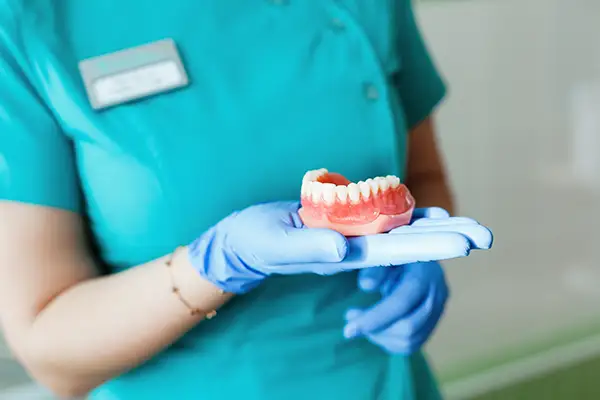
Getting new dentures is an exciting step towards restoring your smile and improving your oral health. However, it's important to remember that adjusting to dentures takes time. It's normal to experience some discomfort or soreness during the initial weeks, especially as your mouth adapts to the new appliance.
Understanding the Initial Discomfort
Several factors can contribute to the initial discomfort associated with new dentures:
•
Tissue Sensitivity: Your gums and oral tissues need time to adjust to the presence of the dentures. The pressure from the dentures on your gums can cause soreness and irritation, similar to wearing new shoes.
•
Muscle Adaptation: Your tongue and cheek muscles will need to learn how to function with the dentures in place. This can lead to temporary soreness and difficulty speaking or eating.
•
Minor Adjustments: Even with the most precise measurements and fabrication, minor adjustments may be needed to ensure a perfect fit. These adjustments can be made by your prosthodontist during follow-up appointments.
Managing the Discomfort
Following these tips can help you manage the discomfort associated with new dentures:
•
Wear Your Dentures as Instructed: Your prosthodontist will provide specific instructions on how long to wear your dentures each day. It's important to follow these instructions to allow your tissues to gradually adjust.
•
Use a Soft Denture Adhesive: A soft denture adhesive can help cushion your gums and improve the fit of your dentures. This can reduce soreness and provide additional stability.
•
Maintain Good Oral Hygiene: Brushing your dentures regularly and cleaning your mouth thoroughly are essential for preventing infection and promoting healing.
•
Avoid Hard or Sticky Foods: During the initial adjustment period, stick to soft foods that are easy to chew. Avoid hard, crunchy, or sticky foods that can put extra pressure on your gums.
•
Take Over-the-Counter Pain Relievers: Over-the-counter pain relievers such as ibuprofen or acetaminophen can help manage discomfort.
•
Contact Your Prosthodontist: If you experience excessive pain, sores, or other concerns, don't hesitate to contact your prosthodontist. They can assess the situation and make necessary adjustments to your dentures.
Remember, Patience is Key
Adjusting to new dentures takes time and patience. While some discomfort is normal, it should gradually subside as your mouth adapts. By following the tips above and working closely with your prosthodontist, you can overcome the initial challenges and enjoy the benefits of your new dentures.
With proper care and maintenance, your dentures can last for many years, allowing you to smile, eat, and speak with confidence.
About Durham Prosthodontics | Durham, NC Durham Prosthodontics specializes in advanced restorative and cosmetic dental treatments, including implants and bridges. Schedule your consultation today! Dr. Geoffrey Cunningham and Dr. Kyle Gazdeck, 3709 University Dr Suite D, Durham, NC 27707 : (919) 489-8661 : mydurhamdentist.com : 6/17/2026 : Page Terms:dental implants Durham NC :


 Getting new dentures is an exciting step towards restoring your smile and improving your oral health. However, it's important to remember that adjusting to dentures takes time. It's normal to experience some discomfort or soreness during the initial weeks, especially as your mouth adapts to the new appliance.